Mars Darknet Market: A Young Market With a Simple Pitch
Mars turned up in early 2025 and is still the new kid. The pitch is simplicity: a clean interface, country of origin and shipping limits shown on each product, and a catalogue that is broader than a drugs-only shop without pretending to be everything.
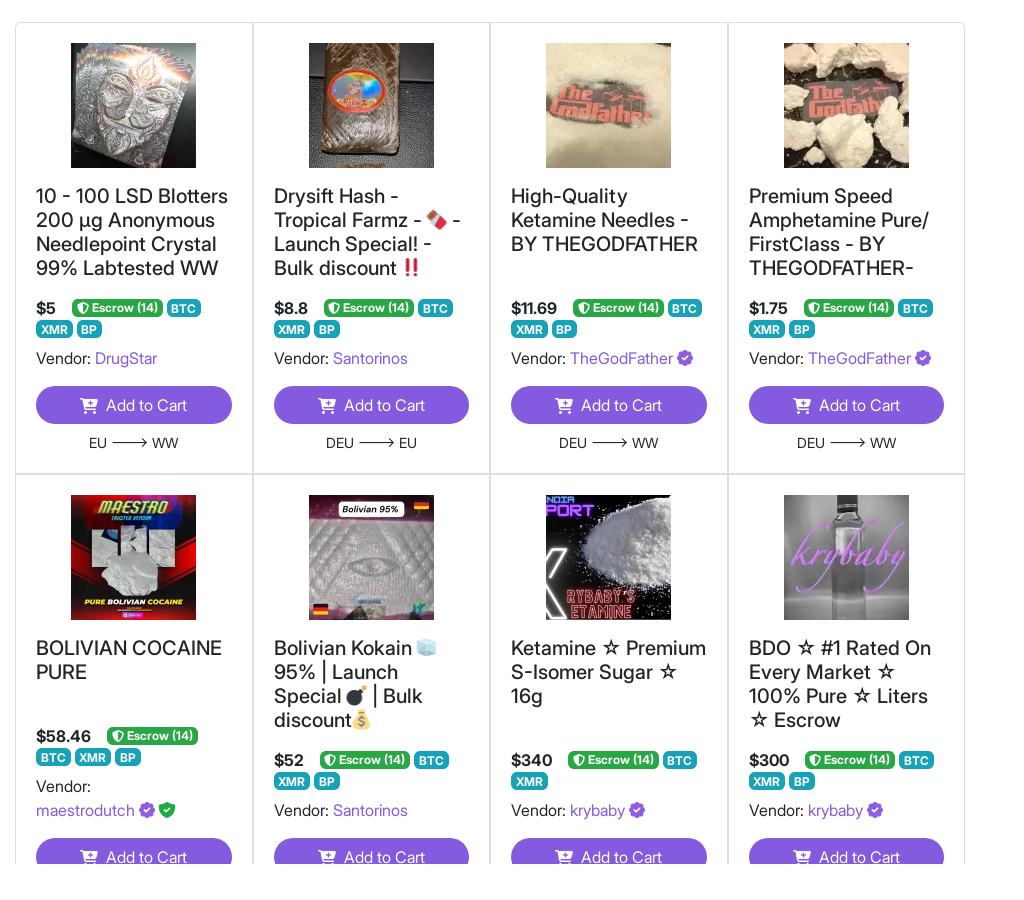
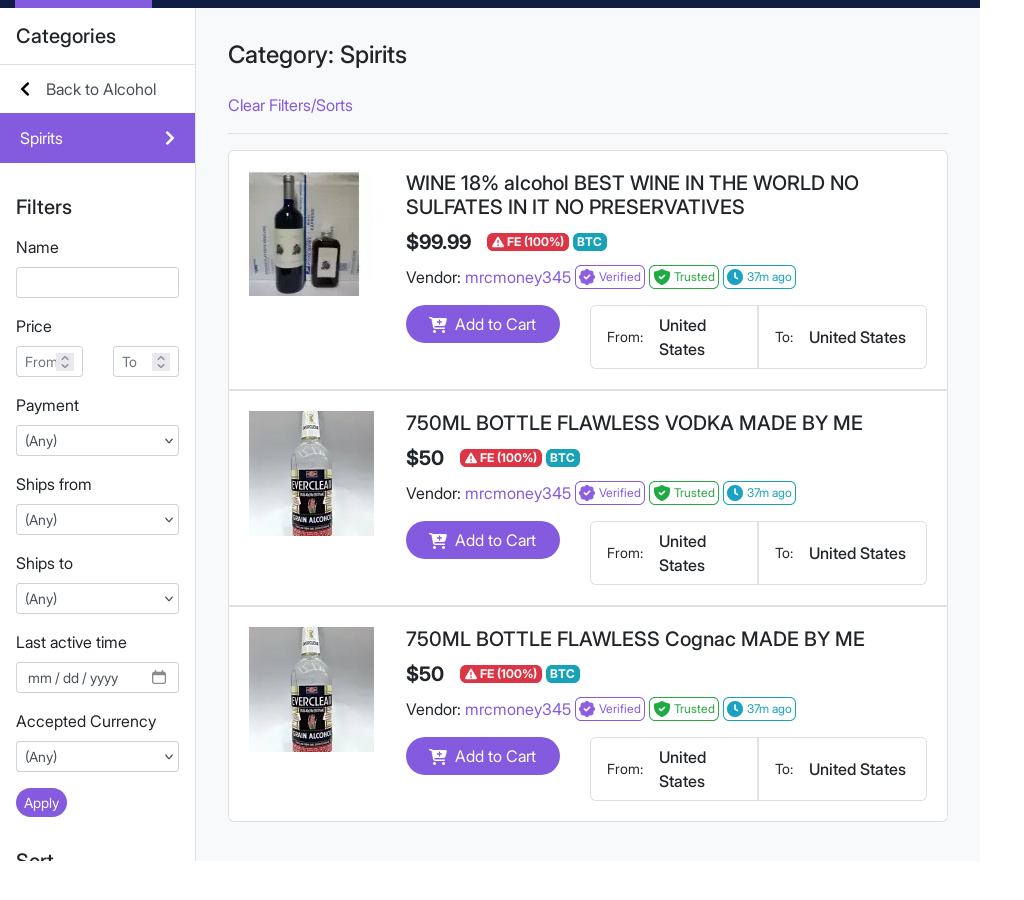
Drugs are the core. Cannabis is broken into Buds & Flowers, Hash and Edibles, and opiates, stimulants and benzodiazepines each get their own section. Beyond that the market lists homemade alcohol, counterfeit currency and stolen card details, which tells you what kind of growth it is chasing.
The tip jar is a small feature with a real function. It lets a buyer reward good service without placing a second order, and it gives a vendor a signal that is separate from the star rating, which is useful on a market where most feedback arrives after a delivery has already gone right or wrong.
Payments and growth incentives
Mars takes Bitcoin and Monero. The market is honest enough to say that Bitcoin is traceable and advises extra steps if you use it, which is more than most do. Monero is the better default. The referral programme pays up to 30% commission for bringing in new buyers, a rate that is high for the sector and a clear sign that the priority is user acquisition rather than steady-state operation.
A 30% cut is not sustainable at scale unless the referred buyer keeps ordering for years, so read it as a growth subsidy rather than a permanent rate. If you do use a referral code, understand that the person who gave it to you is earning on your orders, and that the rate can change.
The product pages also show where an item ships from and where the vendor will not send it. That sounds minor until you have spent an evening opening listings that turn out to be domestic-only, and it is one of the few places where Mars is genuinely more usable than older darknet markets.
Security, in its own words
Communications and transactions are end-to-end encrypted, and 2FA is optional but recommended. That opt-in choice is the one place Mars is softer than the stricter darknet markets: it keeps signup friction low, but it also means a compromised password is enough to lose an account. Turn it on before you deposit, not after.
Communications and transactions are end-to-end encrypted, and 2FA is optional but recommended. The market also publishes guides on VPNs and encrypted messaging for people who are new to this. That is useful, and it is also a reminder of who Mars is built for: the design choices, from the simple UI to the hand-holding guides, assume a buyer who has not done this before.
What to weigh
A market that is a year and a half old has no long track record to judge. There has been no exit scam, which is the main thing, but there has also not been the kind of stress test that separates a market from a spreadsheet. The 30% referral rate and the one-stop-shop ambition suggest a platform spending to grow, and platforms that spend to grow sometimes change their terms once they have the users. The $200 vendor bond is low, which cuts both ways: easier for new vendors to list, less skin in the game.
If you want a darknet market with a decade of history, this is not it. If you want a simple interface and a catalogue with the odd non-drug category, Mars is worth a look, with the usual caveat that young darknet markets are where lessons are cheapest to learn and most expensive to repeat.
Mars Darknet Market Links
Mars Darknet Market Stats
| Status | Online |
|---|---|
| Pay Options | BTC, XMR |
| Region | Worldwide |
| Launched | Feb. 4, 2025 |
| Products | Cannabis, Stimulants, Fraud Related, Counterfeits, Steroids, Other Drugs, Miscellaneous |
| Features | 2FA, PGP, Escrow, Automated Support |
| Vendor Bond | $200 |